Why Battery Freight Is Becoming a Truck Insurance Issue
Small devices can create large exposure when cargo, compliance and downtime risks overlap
2
The information on this website is general in nature and does not take into account your objectives, financial situation, or needs. Consider seeking personal advice from a licensed adviser before acting on any information.
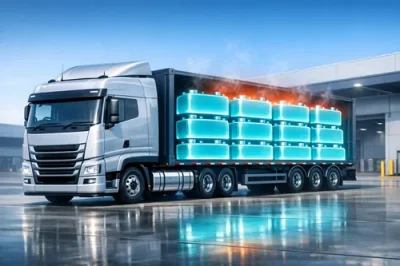
Recent transport and insurance industry attention on lithium-ion battery safety is a timely warning for Australian truck operators.
The issue is no longer limited to consumer products catching fire in homes or warehouses.
Batteries now move through freight networks in tools, scooters, e-bikes, electronics, spare parts and energy storage equipment, and that creates a different risk profile for carriers, depots and subcontracted linehaul work.
For insurers, the concern is not simply that a battery can ignite. The larger issue is how difficult a thermal runaway event can be to control once it starts, particularly inside a packed trailer, mixed-load pallet or depot environment. Smoke, heat, water damage and contamination can affect cargo that was not originally involved in the incident. A single load problem can therefore become a vehicle claim, a cargo claim, a liability question and a business interruption problem at the same time.
This is separate from, but connected to, the broader move towards battery-electric vehicles. Operators carrying battery-powered products need to think about the freight itself, not only the truck doing the work. Policies may treat lithium batteries differently depending on how they are packed, declared, charged, damaged, recycled or transported with other goods. Some policy wordings may also contain dangerous goods exclusions, special conditions or notification obligations that are easy to miss until a claim is lodged.
The practical starting point is documentation. Carriers should know what they are accepting, whether the consignor has classified the goods correctly, and whether packaging, labelling and handling procedures match the risk. Drivers and depot staff also need clear instructions on what to do if a package is swollen, hot, leaking, smoking or has been damaged in transit. Treating suspicious freight as an operational problem rather than an insurance problem can increase the eventual loss.
Operators should also review whether their existing truck policy, public liability arrangements and goods in transit or cargo cover respond in the way they expect. Key questions include whether fire damage to the truck is covered, whether customer goods are protected, whether clean-up costs are included, and whether subcontracting changes the position.
The insurance lesson is straightforward: as battery freight becomes more common, insurers will expect carriers to understand the exposure and manage it. Strong acceptance procedures, driver training, incident reporting and policy reviews can help reduce surprises when a battery-related loss turns into a complex claim.
Please Note: We do not endorse any specific products or companies. Some content is sourced from third parties, including press releases, and may not be independently verified for accuracy or completeness.
A recent Australian Financial Complaints Authority decision involving a vandalised Hino truck is a useful reminder that disclosure disputes in commercial motor insurance turn on evidence, not assumptions. Reported by insuranceNEWS.com.au on 15 October 2026, the matter ended with Suncorp being ordered to reinstate the policy and reassess the claim after AFCA found the insurer had not proved that undisclosed driving history would have justified refusing the risk. - read more
Recent transport industry reporting has again highlighted growing interest in Performance Based Standards vehicles and other high-productivity truck combinations across Australia. For operators, the attraction is clear: fewer trips, better payload efficiency and stronger productivity on approved routes. For insurers, however, the shift is not simply a matter of adding another truck to the schedule. PBS combinations can alter exposure across vehicle value, route compliance, load responsibility, driver capability and recovery after an incident. - read more
Recent transport and insurance industry attention on lithium-ion battery safety is a timely warning for Australian truck operators. The issue is no longer limited to consumer products catching fire in homes or warehouses. Batteries now move through freight networks in tools, scooters, e-bikes, electronics, spare parts and energy storage equipment, and that creates a different risk profile for carriers, depots and subcontracted linehaul work. - read more
Recent fleet and transport industry coverage has again highlighted faster movement toward battery-electric and lower-emissions heavy vehicles in Australia, with truck makers, councils, logistics operators and specialist fleets moving beyond short demonstration runs. For truck operators, the insurance question is not simply whether electric trucks are better or worse than diesel. The practical issue is whether the policy reflects a different asset profile, different repair pathway and different downtime risk. - read more
Welcome to our guide on cutting truck insurance costs! Truck insurance is a must-have for fleet managers, but it can be expensive. This article will explore ways to make it more affordable while ensuring your trucks are adequately covered. - read more
Owner-operator truck drivers face different insurance risks from larger fleets, including single-vehicle income exposure, finance requirements, downtime, cargo obligations and liability gaps. This guide explains key considerations before comparing commercial truck cover in Australia. - read more
For Australian truck owners and fleet operators, insurance premiums are shaped by risk. A structured preventative maintenance program can help reduce breakdowns, improve vehicle safety and give insurers clearer evidence of responsible fleet management. - read more
Understand the difference between compulsory truck insurance in Australia, contract-driven insurance obligations and optional commercial cover that may protect your vehicle, cargo and business operations. - read more
Knowledgebase
Beneficiary: The person or entity designated to receive the death benefit from a life insurance policy.



No comments yet. Be the first to share your thoughts.