
Truck Cover Australia :: News
SHARE

Share this news item!

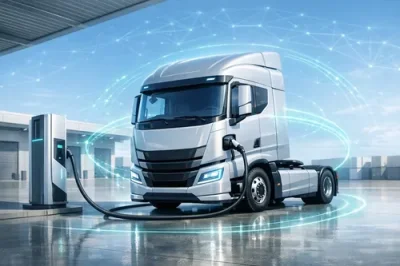
What electric truck uptake means for your cover

Battery assets, charging equipment and repair access are changing the risk conversation

What electric truck uptake means for your cover?w=400

The information on this website is general in nature and does not take into account your objectives, financial situation, or needs. Consider seeking personal advice from a licensed adviser before acting on any information.

Recent fleet and transport industry coverage has again highlighted faster movement toward battery-electric and lower-emissions heavy vehicles in Australia, with truck makers, councils, logistics operators and specialist fleets moving beyond short demonstration runs.
For truck operators, the insurance question is not simply whether electric trucks are better or worse than diesel.
The practical issue is whether the policy reflects a different asset profile, different repair pathway and different downtime risk.

Traditional commercial truck insurance has largely been built around diesel vehicles, familiar components, established repair networks and well-understood loss patterns. Electric trucks introduce additional considerations, including high-value battery packs, specialist diagnostics, high-voltage safety processes, depot charging equipment and software-based vehicle systems. If an insured value is set too low, a major incident involving the battery or driveline could leave an operator exposed. If it is set too high, the business may be paying unnecessary premium. That makes calculating replacement values more important as electric models enter working fleets.

Claims handling is another area to watch. Even where the physical damage appears minor, an electric truck may need specialist assessment before it can be safely repaired or returned to service. Towing requirements, battery isolation, parts availability and approved repair capability can all affect how long a vehicle is off the road. For businesses working to tight freight windows, that delay can be as costly as the repair itself.

Operators reviewing cover for electric or hybrid heavy vehicles should pay close attention to:

  • whether the battery, driveline software and permanently fitted charging components are clearly included;
  • how depot chargers, portable charging equipment and related electrical infrastructure are insured;
  • whether downtime, hire vehicle or business interruption protection is suitable for the vehicle’s role;
  • how driver training, charging procedures and incident response plans are documented;
  • whether finance agreements require specific insurance conditions or noted interests.

Insurers are likely to look favourably on operators that can present the risk clearly. That means evidence of planned maintenance, charging controls, fire response procedures, route planning and driver education. It also means understanding how the vehicle will be used in real conditions, not just relying on headline range figures or manufacturer brochures.

For owner-drivers and fleet managers, the message is straightforward: the insurance conversation should happen before an electric truck is ordered, not after delivery. Standard policy wording may not automatically deal with every EV-related exposure, so professional advice can help identify gaps before a claim tests them. As technology changes, the operators who document their risks carefully are likely to be in a stronger position with both underwriters and claims teams.

Published:Thursday, 3rd Sep 2026
Author: Paige Estritori

Please Note: We do not endorse any specific products or companies. Some content is sourced from third parties, including press releases, and may not be independently verified for accuracy or completeness.

Share this news item:

Rate this article

0 Comments

No comments yet. Be the first to share your thoughts.

Insurance News

What electric truck uptake means for your cover
03 Sep 2026: Paige Estritori
Recent fleet and transport industry coverage has again highlighted faster movement toward battery-electric and lower-emissions heavy vehicles in Australia, with truck makers, councils, logistics operators and specialist fleets moving beyond short demonstration runs. For truck operators, the insurance question is not simply whether electric trucks are better or worse than diesel. The practical issue is whether the policy reflects a different asset profile, different repair pathway and different downtime risk. - read more
Why defect checks matter for truck insurance
27 Aug 2026: Paige Estritori
Recent heavy vehicle industry reporting has again highlighted roadside compliance activity, with enforcement attention on mechanical condition, fatigue records, load restraint and day-to-day maintenance evidence. For truck operators, the message is broader than avoiding an infringement. A defect notice, preventable breakdown or poorly documented maintenance program can also shape how an insurer views risk when cover is renewed or when a claim is assessed. - read more
Rising Repair Costs Put Fresh Pressure on Truck Operators
20 Aug 2026: Paige Estritori
Fresh motor insurance commentary across the Australian market is again pointing to a practical issue truck operators know well: repairing vehicles is becoming more complex, more expensive and, in some cases, slower. For heavy vehicle businesses, this is not just a workshop problem. It can influence claim outcomes, renewal pricing, excess settings and the amount of time a truck is off the road after an incident. - read more
Why Climate Risk Is Back on the Truck Insurance Agenda
13 Aug 2026: Paige Estritori
A fresh round of insurance industry warnings about climate exposure is a timely reminder for Australian truck operators that weather risk is no longer a background issue. Floods, bushfires, severe storms and prolonged road closures can affect far more than a single damaged vehicle. For owner-drivers and fleet managers, the larger concern is often the chain reaction: stranded equipment, missed delivery windows, cargo complications, depot damage and extended downtime while repair networks are under pressure. - read more


Truck Insurance Articles

The Essential Checklist for Quick Truck Insurance Claims Processing
In the world of trucking, understanding the ins and outs of insurance is crucial. Jargon and complex terms can be daunting, yet they hold the key to ensuring your claims are processed smoothly and efficiently. - read more
How Preventative Maintenance Can Reduce Your Truck Insurance Costs
As a proud truck owner, you understand that your vehicle is more than just a means of transportation; it's a vital part of your livelihood. With the unique insurance needs specific to your industry, ensuring that your truck is well-maintained can have a substantial impact on your insurance costs. - read more
Flatbed Truck Insurance
Flatbed truck insurance is a specialized type of coverage designed specifically for flatbed trucks. These commercial vehicles, known for their open-top design and versatility, are often used to transport large and bulky goods that can't be easily carried by conventional enclosed trucks. This form of insurance covers the unique risks associated with operating such vehicles, ensuring that both the truck and its cargo are protected from potential damage or liability. - read more
The Key Factors Influencing Your Truck Insurance Premiums
Welcome to our latest blog post where we dive deep into the world of truck insurance premiums. If you're a truck owner or operator in Australia, this is a topic you can't afford to overlook. Understanding how your premiums are calculated can make a significant difference to your bottom line. - read more

Knowledgebase
Insurance:
In law and economics, insurance is a form of risk management primarily used to hedge against the risk of potential financial loss.