The information on this website is general in nature and does not take into account your objectives, financial situation, or needs. Consider seeking personal advice from a licensed adviser before acting on any information.
As a proud truck owner, you understand that your vehicle is more than just a means of transportation; it's a vital part of your livelihood. With the unique insurance needs specific to your industry, ensuring that your truck is well-maintained can have a substantial impact on your insurance costs.
Think about the last time you had to file an insurance claim. Was the process smooth? Did you feel prepared? The way you manage your truck's maintenance and the efficiency with which claims are handled can directly affect your premiums and overall expenses. So, it's crucial to understand how these two aspects are interlinked.
Curious about how your current maintenance practices fit into this equation? Are there areas that might need improvement? By exploring the relationship between proper maintenance and reduced insurance costs, you'll not only safeguard your investment but potentially save money along the way. Let's look at how preventative maintenance plays a pivotal role in reducing those insurance bills.
The Connection Between Maintenance and Insurance Costs
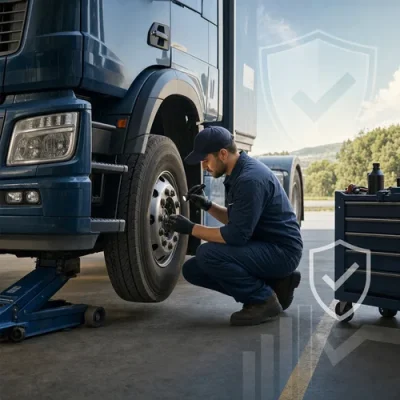
Regular maintenance isn't just about keeping your truck in top condition; it's a strategic move that could lower your insurance costs. By diligently servicing your vehicle, you reduce the risk of unexpected breakdowns and accidents, which are key factors insurance companies consider when determining your premiums.
Insurance providers view well-maintained trucks as lower risk investments. When you can demonstrate a consistent history of upkeep, such as regular oil changes, brake checks, and tire rotations, it instills confidence in your insurer. This trust often translates to more attractive premiums, as fewer claims are likely needed for unexpected repairs or accidents.
Consider some revealing statistics: studies have shown that well-maintained fleets report up to 30% fewer incidents compared to those with sporadic maintenance schedules. This reduction in claims not only influences premium calculations but also highlights the financial benefits of being proactive with truck care. So, by investing in routine maintenance, you're not just preserving your truck's value, but actively working to lower your insurance expenses.
Key Preventative Maintenance Practices
Embracing key preventative maintenance practices can make a world of difference when it comes to managing your truck's operational costs and insurance premiums. Let's dive into some essential maintenance checks that should be on every truck owner's radar.
First and foremost, keep a vigilant eye on your vehicle's brakes, tires, and engine. These components are the backbone of your truck's performance. Regular checks and servicing can prevent minor issues from escalating into major, costly problems. Don't overlook the steering and suspension systems, as well—they're crucial for safety and longevity.
Next, make sure to schedule routine oil changes and fluid checks. By keeping engine and transmission fluids fresh, you're ensuring that your truck runs smoothly and efficiently. Remember, neglecting these tasks can lead to engine wear, reduced fuel efficiency, and, ultimately, higher repair costs.
Lastly, consider setting up routine inspections with professional mechanics. A thorough analysis by an expert can catch problems that might not be evident during everyday checks. Their insights can aid you in keeping the vehicle in optimal shape and could prevent unpleasant surprises down the road. Consistently adhering to these preventative practices not only extends the truck's life but also signals to insurers that you're a responsible, low-risk client worthy of lower premiums.
Benefits of Preventative Maintenance Beyond Insurance
While reducing insurance costs is a compelling reason to embrace preventative maintenance, the benefits extend far beyond just savings on premiums. By diligently maintaining your truck, you can significantly impact the overall performance and longevity of your vehicle, yielding multiple advantages.
One notable benefit is increased fuel efficiency. A well-maintained truck runs more smoothly, consuming less fuel. Simple tasks like proper tire inflation, regular oil changes, and timely engine tune-ups help ensure optimal fuel usage. This efficiency translates into tangible financial savings over time as you spend less on fuel for everyday operations.
Moreover, enhanced safety for both drivers and cargo can't be overlooked. Regular checks on brakes, lights, and suspension systems reduce the risk of mechanical failures that could lead to accidents. This not only ensures the safety of your driver and any cargo being transported but also reduces the likelihood of expensive liabilities and delays caused by incidents on the road.
Lastly, a truck that has been properly maintained throughout its life enjoys a prolonged lifespan and often boasts a higher resale value. When it comes time to upgrade or sell your vehicle, a documented maintenance history appeals to prospective buyers, demonstrating that the truck has been well taken care of. This can lead to a better return on your initial investment, allowing you to reinvest those benefits into your next vehicle.
Real-Life Case Studies
Example of a Truck Owner Saving on Insurance Through Regular Maintenance
Meet John, a seasoned truck owner from Queensland, who discovered the financial perks of regular maintenance first-hand. By sticking to a strict service schedule, John ensured that his truck was always in peak condition. Over the course of a year, John noticed a drop in his insurance premiums at his policy renewal. His insurer recognized the reduced risk his truck posed and rewarded his commitment to maintenance with lower rates.
Insurance Company Testimonials on Well-Maintained Vehicles
Insurance companies across Australia often share similar stories. An agent from a leading insurer commented, "Trucks that undergo regular maintenance are significantly less likely to be involved in accidents due to mechanical failures. This lower risk is something we value and often reflect in our premiums."
These testimonials provide a clear picture of how preventative maintenance can create a win-win situation for both truck owners and insurers.
Comparative Analysis of Trucks With and Without Maintenance
A comparative analysis by a national transport association illustrated a stark contrast between fleets that adhere to regular maintenance schedules and those that don't. The study revealed that trucks consistently maintained reported far fewer insurance claims, with up to 40% fewer mechanical breakdowns.
This analysis underlines an undeniable truth: investing in regular maintenance not only safeguards your vehicle but also translates into measurable insurance savings. For truck owners looking to reduce expenses and boost their bottom line, making maintenance a priority is key.
Tips for Setting Up a Maintenance Routine
Creating a reliable maintenance schedule is one of the most effective ways to ensure your truck remains in peak condition. It might seem daunting at first, but establishing a routine and adhering to it can make maintenance tasks more manageable and less time-consuming in the long run.
Start by identifying key maintenance tasks that need regular attention, such as oil changes, tire rotations, and brake checks. Assign specific intervals for these tasks—whether they're mileage-based or time-based—and mark them clearly on a calendar. By having a set schedule, you're more likely to stick to it, reducing the risk of forgetting crucial maintenance activities.
To stay organized, consider using digital tools and apps designed for maintenance management. These apps can send reminders for upcoming services, log completed tasks, and even track your truck's performance metrics. Some apps are tailored specifically for truck maintenance, offering customizable schedules that cater to your vehicle's unique needs. Leveraging technology in this way can significantly simplify the upkeep process.
Finally, choosing a reliable service provider is essential. Look for mechanics or service centers with a good reputation and experience in handling trucks. It's often worthwhile to build a relationship with a trusted provider who understands your truck and its history. This consistency not only ensures high-quality care but can also assist in catching potential issues early before they become costly problems.
By setting up a structured maintenance routine, utilizing helpful technology, and partnering with dependable professionals, you're setting your truck up for long-term success. This proactive approach not only keeps your vehicle running smoothly but also reinforces your commitment to being a responsible truck owner, potentially leading to insurance savings.
The Road Ahead with Preventative Maintenance
As we've explored throughout this article, the benefits of adopting a preventative maintenance routine for your truck are manifold. Not only does it offer the potential to lower your insurance costs, but it also enhances the overall performance, safety, and longevity of your vehicle. These advantages paint a compelling picture of why such practices should be a top priority for every truck owner.
It's time to take action. We encourage you to embrace regular maintenance practices as a vital component of your truck's care. By doing so, you're safeguarding your livelihood, cutting down on unexpected repair costs, and demonstrating responsibility to your insurer—qualities that could very well lead to reduced premiums.
If you haven't done so already, now is the perfect moment to assess your current maintenance routine. Consider where improvements could be made and how digital tools might assist in streamlining the process. Reach out to fellow truck owners and share experiences, as collective wisdom can often yield valuable insights.
Lastly, engage in a conversation with your insurance provider about how your maintenance efforts may impact your policy. They can offer guidance and possibly adjust your coverage based on the proactive measures you’ve taken. Taking these steps puts you in the driver's seat of managing your insurance costs and maintaining a vehicle that's not only efficient but has a longer, more reliable life.
Published: Thursday, 11th Dec 2025
Author: Paige Estritori



No comments yet. Be the first to share your thoughts.