The information on this website is general in nature and does not take into account your objectives, financial situation, or needs. Consider seeking personal advice from a licensed adviser before acting on any information.
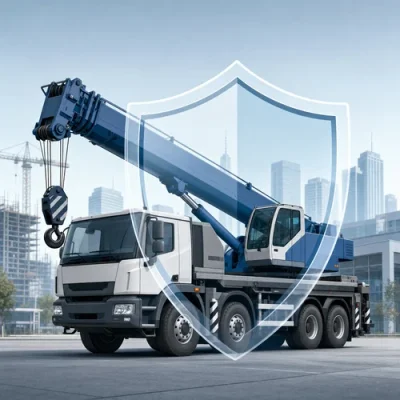
Crane truck insurance is designed for trucks fitted with a crane, where the vehicle and lifting equipment can create risks beyond those of a standard commercial truck. Cover may include protection for accidental damage, theft, fire, third-party liability and selected operational risks, depending on the policy. For Australian operators working in construction, logistics, heavy lifting or industrial environments, understanding the available cover options can help with more informed insurance decisions.
What is crane truck insurance?
Crane truck insurance is a form of commercial truck insurance intended for vehicles fitted with a crane or lifting equipment. These trucks are often used on construction sites, industrial sites and logistics jobs where loads may need to be lifted, loaded, unloaded or repositioned as part of daily work.
Because a crane truck combines a commercial vehicle with specialised lifting equipment, the risk profile can be more complex than for a standard rigid truck. A policy may need to consider road use, on-site work, crane operation, liability to other people and property, carried goods, attached accessories and the cost of repairing or replacing specialised equipment.
This guide explains common types of crane truck insurance cover, factors that can influence premiums, and practical points to review when comparing policies in Australia. It is general information only and does not replace advice based on your own business, vehicle, contracts or risk profile.
Why crane truck operators may need specialised cover
Crane trucks can be expensive to repair or replace, particularly where the crane, hydraulic systems, vehicle body, accessories or other fitted equipment are damaged. They may also operate in environments where third-party property, other vehicles, site infrastructure, workers or members of the public could be affected by an incident.
Insurance can help manage the financial impact of insured events such as accidental damage, theft, fire or liability claims, subject to the policy wording. Appropriate cover can also support business continuity by helping operators plan for the costs and processes that may follow a claim.
The right policy structure will depend on how the crane truck is used. For example, a vehicle that regularly lifts equipment on building sites may have different exposures from a truck used mainly for road transport with occasional loading and unloading.
Common types of crane truck insurance cover
Policy names and inclusions vary between insurers, so it is important to read the product documents and ask questions about how the crane and lifting activities are treated. Common cover areas include:
| Cover type |
What it may respond to |
Points to check |
| Comprehensive cover |
Accidental damage to the insured crane truck, and often events such as theft or fire, depending on the policy. |
Whether the crane, attachments, accessories and fitted equipment are included in the insured value. |
| Collision or accidental damage cover |
Damage caused by a collision with another vehicle, object or structure. |
How the policy treats incidents that occur on private sites as well as public roads. |
| Third-party liability cover |
Claims by other parties for property damage or injury arising from the insured vehicle or operations, subject to policy terms. |
Liability limits, exclusions and whether lifting operations are included or limited. |
| Theft and fire cover |
Loss or damage caused by theft, attempted theft or fire. |
Security requirements, storage conditions and whether accessories or equipment are listed. |
| Goods in transit cover |
Loss or damage to cargo being carried during transport, where the policy includes this cover. |
Whether cargo is covered automatically, by extension, or under a separate policy. |
| Equipment or plant-related extensions |
Selected damage to machinery, equipment or hired plant associated with the truck’s work. |
Whether hired plant, non-standard equipment or attachments need to be separately declared. |
| Breakdown assistance or related extras |
Optional services or benefits that may assist after a breakdown or incident. |
Eligibility, service limits and whether heavy vehicles or crane trucks are covered. |
If your business carries customer goods, building materials, machinery or other freight, it may be worth reviewing how goods in transit and cargo cover interacts with your crane truck policy. Cargo risks are not always handled in the same way as damage to the truck itself.
Liability issues for crane truck operations
Liability cover is a major consideration for crane truck owners because an incident may involve more than vehicle damage. A crane truck could damage another vehicle, building, fence, overhead structure, site equipment or customer property. In more serious situations, people may be injured.
When reviewing liability cover, operators should check whether the policy responds only to road-use incidents or also to activities carried out while the crane is operating. It is also important to understand exclusions, sub-limits, contractual liability clauses and any requirements relating to qualified operators, safe systems of work or site procedures.
Where a crane truck is used on building or industrial sites, clients or contractors may request evidence of insurance before work begins. The policy should be reviewed against those requirements rather than assuming a standard commercial motor policy is enough.
What can affect crane truck insurance premiums?
Insurers generally price crane truck insurance by assessing the likelihood and potential cost of a claim. The following factors may influence the premium and policy terms:
- Truck specifications: make, model, age, condition, insured value and the cost of parts or repairs.
- Crane and equipment details: type of crane, lifting capacity, fitted accessories, modifications and whether equipment is standard or specialised.
- Use of the vehicle: whether the truck is used for construction, logistics, heavy lifting, site work, general transport or mixed operations.
- Operating locations: metropolitan, regional or remote work, traffic conditions, site environments and areas with different claims experience.
- Driver and operator experience: driving history, claims history, crane operation experience and relevant training.
- Safety and maintenance practices: maintenance schedules, pre-start checks, storage, security and documented risk controls.
- Selected cover and limits: comprehensive versus more limited cover, liability limits, optional extensions, excess levels and sum insured.
For a broader explanation of rating factors, see this guide to what affects truck insurance premiums in Australia.
Choosing cover for your crane truck
Choosing a policy starts with a clear picture of the truck, the crane and the work being performed. Before comparing options, gather information about the vehicle, fitted equipment, typical loads, operating regions, driver details, business activities, storage arrangements and any contractual insurance requirements.
Assess the risks in your own operations
Consider the projects you undertake, the sites you attend and the types of lifting work performed. A business regularly operating around buildings, machinery, overhead structures or other contractors may need to pay particular attention to liability wording and policy limits. A business carrying goods for customers may need to consider cargo exposure as well as vehicle damage.
Compare policy features, not just price
A lower premium may come with narrower cover, higher excesses, lower limits or exclusions that matter to your work. When comparing policies, look at what is covered, what is excluded, how the crane is described, whether accessories are listed, how claims are handled and what evidence may be required after an incident.
Review the insured value
Underestimating the value of the crane truck, crane, accessories or related equipment can create problems at claim time. Overstating values may also affect premium efficiency. Operators can use the Truck Insurance Calculator as a general tool to think through truck, trailer, accessory and cover-level considerations, while remembering that any final sum insured should be checked against policy requirements and current market values.
Using brokers and comparing quotes
Crane truck insurance can be more specialised than standard commercial vehicle insurance. A broker with experience in commercial vehicles may be able to help identify insurers that consider crane trucks and explain how different policy options treat the vehicle, crane, liability exposures and optional extras.
When speaking with brokers experienced in truck insurance, useful questions may include:
- Have you arranged cover for crane trucks or similar commercial vehicles before?
- Does the policy cover the crane while it is being operated, and are there any limitations?
- How are fitted accessories, non-standard equipment and modifications recorded?
- What liability limits apply, and are there exclusions relevant to site work or lifting operations?
- Is goods in transit cover included, optional or arranged separately?
- What information is needed if a claim is lodged?
- How often should the policy be reviewed as the business changes?
Operators who want to assess the market may also choose to discuss crane truck insurance quotes with a broker or insurer. When doing so, provide consistent information to each provider so the quotes can be compared on a like-for-like basis as much as possible.
Common mistakes to avoid
Underestimating asset values
A crane truck’s value may include more than the base vehicle. The crane, body, hydraulic systems, attachments, accessories and other equipment may need to be considered. Keep valuations and equipment lists up to date so the policy reflects the assets actually in use.
Skipping important cover areas
Reducing cover to lower upfront cost can create gaps if the policy no longer matches the work being performed. Before removing an option, consider the potential impact of an uninsured vehicle damage claim, third-party liability claim, cargo loss or equipment-related incident.
Assuming all truck policies treat crane work the same way
Not every commercial motor policy is designed for trucks with cranes. Ask how the policy responds when the crane is in use, when the truck is on a worksite, and when damage occurs during loading or unloading.
Failing to review the policy regularly
Insurance needs can change when a business adds new vehicles, changes contracts, works in different regions, takes on different loads or upgrades equipment. Reviewing the policy at least annually can help identify whether the cover still matches current operations.
Final Thoughts
Crane truck insurance is intended to address the combined risks of a commercial truck and fitted lifting equipment. Depending on the policy, cover may include accidental damage, theft, fire, third-party liability, equipment-related extensions and goods in transit options.
The most suitable policy structure depends on how the crane truck is used, who operates it, where it works and what contractual obligations apply. Operators should compare policy wording, limits, exclusions, excesses and claims processes as well as premium. Where the risks are complex, professional assistance can help clarify how different options apply to crane truck operations.
Published: Thursday, 25th Jun 2026
Author: Paige Estritori



I’ve been caught underinsuring attachments before, so the reminder to update valuations yearly for crane truck insurance is pretty spot on.