The information on this website is general in nature and does not take into account your objectives, financial situation, or needs. Consider seeking personal advice from a licensed adviser before acting on any information.
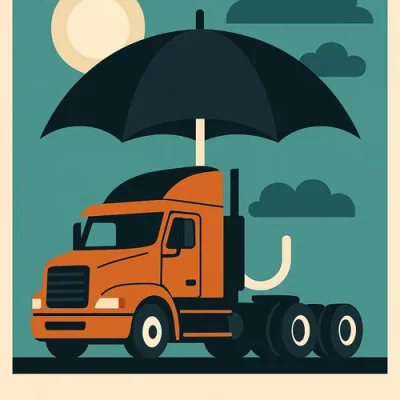
Insurance is a crucial aspect of operating a prime mover, especially within the dynamic landscape of the Australian trucking industry. It provides a safety net against a variety of risks that can affect your business's bottom line. Whether it's covering damages from road accidents, theft, or unexpected mechanical failures, having the right insurance can help truck owners and operators manage potential financial setbacks.
In Australia, the trucking industry is a vital component of the economy, heavily relied upon for transporting goods across long distances. Given the nature of the job, truck owners must ensure their vehicles are adequately protected. Insurance not only offers financial support when mishaps occur but also provides peace of mind for operators on the road.
The Australian market offers a range of insurance options tailored specifically for truck owners. From comprehensive coverage that includes liability and property damage to more specific packages for trailer and cargo protection, truck operators have several choices to consider. Knowing what each policy covers and its limitations is vital for making informed decisions about prime mover insurance.
This article aims to guide Australian truck owners and operators through the intricacies of prime mover insurance, helping them understand their needs and match these with the right coverage options.
What is Prime Mover Insurance?
Definition and Coverage Basics
Prime mover insurance is a specialized type of coverage designed to protect heavy vehicles such as trucks and trailers. This insurance safeguards against various risks associated with owning and operating a prime mover, offering vital financial cover when unexpected events occur. Coverage typically includes protections against accidents, theft, and damage, providing a safety net for truck owners and operators.
Beyond the basic coverage, prime mover insurance can also extend to other important aspects such as third-party liability, which covers costs if your vehicle causes damage to another vehicle or property. It may also include coverage for damage caused by environmental factors or natural disasters. Understanding the basic elements of this insurance is crucial for securing comprehensive protection.
Types of Policies Available in Australia
In Australia, there are several types of prime mover insurance policies that truck owners can choose from. Comprehensive policies are quite popular, covering a wide range of incidents, including accidents and theft. Alternatively, liability-only policies might offer essential protection on the road while being more budget-friendly. Cargo insurance is another critical option that ensures the goods being transported are covered during transit.
Choosing the right policy depends on several factors, including the type of goods transported and the distances covered. Australian insurers provide bespoke policies tailored to the unique needs of different operators, making it crucial for truck owners to review their options carefully.
Essential Terminology Truck Owners Need to Know
Understanding specific insurance terms can greatly help truck owners in making informed decisions. "Premium" refers to the cost of the insurance policy, while "deductible" or "excess" is the amount the insured party pays out-of-pocket before the insurer covers the rest. Knowing the difference between "policy limits," which dictate the maximum amount an insurer will pay for a claim, and "endorsements," which are additions or changes to the policy, is also important.
Familiarity with these terms empowers truck operators to better understand their insurance contracts, ensuring they receive comprehensive protection that aligns with their operations.
Key Components of Prime Mover Insurance Cover
Comprehensive Cover
Comprehensive cover is the most inclusive type of prime mover insurance, providing protection against an array of potential incidents. This coverage not only accounts for damage to your own vehicle due to accidents but also includes safeguard measures against vandalism and environmental events. Having comprehensive insurance means you are well-protected whether your truck is on the road, parked, or undergoing repairs.
Many Australian operators opt for comprehensive cover to ensure they are secure against diverse risks. This policy often includes coverage for legal liabilities should the vehicle cause damages unexpectedly, making it a wise choice for those looking to secure extensive protection.
Third-party Property Damage
Third-party property damage is a crucial component of any prime mover insurance policy. This cover is essential as it protects you financially in the event that your vehicle damages another person’s property. It is especially important for truck operators due to the risks involved in transporting heavy loads over long distances.
For peace of mind, understanding this component of your policy is vital. It ensures that should an accident occur, the financial burden does not fall entirely on you, providing essential cover for any mishaps on the road.
Fire and Theft Coverage
Fire and theft coverage is another integral part of prime mover insurance, protecting operators from loss due to events beyond their control. Fire can be a devastating force, especially with vehicles that carry flammable goods, while theft remains a constant risk given the value of the cargo often transported.
This coverage ensures that you are financially covered against such unpredictable and damaging events. It is particularly beneficial for those who frequently travel through areas prone to such risks, offering an additional layer of financial security.
Additional Options like Downtime Insurance and Liability Cover
Beyond the standard coverage options, there are additional insurance components that can be tailored to meet specific needs. Downtime insurance, for example, provides compensation to operators for the revenue lost when vehicles are out of commission due to damage or repairs. This ensures the continuity of your business even in the face of setbacks.
Moreover, additional liability cover can secure you against special risks associated with the nature of your business operations. These optional add-ons allow for customization of policies, ensuring that operators have flexibility depending on their business requirements and preferences.
Factors Influencing Prime Mover Insurance Premiums
Vehicle Type and Specifications
One of the most significant factors affecting the cost of prime mover insurance premiums is the type and specifications of the vehicle. This includes the make, model, and age of the truck, as these affect its valuation and safety features. Newer vehicles with advanced technology and safety systems might attract lower premiums due to their reduced risk profile.
Additionally, modifications to a vehicle can impact premiums. Any alterations, such as engine enhancements or special fittings, are considered by insurers as they may increase both the risk and the replacement costs. Ensuring that the insurer is informed of all vehicle specifications is crucial in determining an accurate premium.
Driver Experience and History
The experience level and history of the driver also play a pivotal role in insurance premium calculations. Insurers typically offer more favorable rates to drivers with clean records and extensive professional experience in the trucking industry. A good driving history can demonstrate responsible behavior on the road, thereby reducing the likelihood of accidents.
Conversely, drivers with records of traffic violations or accidents might face higher premiums. Insurance companies view such drivers as higher risk, which is reflected in the premium costs. It's beneficial for operators to maintain clean records to ensure more affordable insurance.
Location and Routes
The geographical location where the vehicle operates and the routes frequented are also influential factors. Areas with higher traffic density or regions known for adverse weather conditions can lead to higher premiums due to the increased likelihood of incidents. Likewise, routes that pass through high-risk areas for theft or vandalism may increase the insurance cost.
Operators planning their routes meticulously and choosing safer paths where possible can potentially negotiate better premiums. Insurers consider the operational environment when determining the risk associated with insuring a prime mover.
Safety and Security Features
Investing in safety and security features can be a proactive way to manage insurance premiums. Features such as anti-theft devices, GPS tracking, and advanced braking systems can significantly lower risk. Insurers often offer discounts on premiums for vehicles equipped with such technologies because they decrease the chances of accidents and theft.
Ensuring your prime mover is equipped with modern safety enhancements not only protects your investment but can also result in cost savings on your insurance policy. Operators should work with their insurers to understand how specific safety features might influence their premium rates.
Steps to Choosing the Right Insurance Policy
Assessing Your Specific Needs and Risks
Choosing the right prime mover insurance policy begins with identifying your specific needs and potential risks. It’s important to assess factors such as the type of cargo you typically carry, the routes you travel, and the frequency of your trips. This assessment helps in understanding what coverage is most crucial for your operations.
Consider the hazards associated with your work environment, whether it’s high-traffic metropolitan areas or remote regions with limited services. By thoroughly evaluating your unique circumstances, you can prioritize the insurance features that offer the best protection for your prime mover operations.
Comparing Quotes from Different Insurers
Once you've identified your needs, the next step is to compare prime mover insurance quotes from multiple insurers. This process allows you to review the different coverage options and price points available in the market. Using online comparison tools can simplify this task, offering a broad view of the available offerings.
Ensure that you are not only comparing prices but also the extent of the coverage and the terms of the policy. This helps ensure that you are getting value for money, with a policy that provides adequate protection for your specific requirements.
Reading and Understanding Policy Details
Every insurance policy comes with its own set of terms and conditions, which can significantly affect the coverage provided. Therefore, it's crucial to read and fully understand these details before committing to a policy. Pay close attention to exclusions and limitations, as these can impact your ability to claim.
Taking the time to analyze the fine print ensures that there are no surprises when you need to file a claim. A well-understood policy can offer more peace of mind, knowing exactly what is covered and under what circumstances.
Consulting with Insurance Brokers
For many, consulting with an insurance broker can be a valuable step in finding the right policy. Brokers have in-depth knowledge of the insurance market and can provide expert advice tailored to your situation. They can assist in decoding complex policy terms and finding insurers that specialize in prime mover coverage.
Brokers often have access to exclusive deals and can negotiate terms on your behalf, potentially saving you time and money. Engaging with a professional can enhance your understanding and confidence in the insurance policy you choose.
Tips for Reducing Insurance Costs
Maintaining a Clean Driving Record
One of the most effective ways to reduce insurance costs is by maintaining a clean driving record. Insurance companies offer more favorable premiums to drivers who have a history free of accidents and violations. This is because responsible driving behavior reduces the risk of incidents, thereby lowering the perceived risk for insurers.
Truck operators should prioritize safe driving practices and invest in regular training programs to enhance their skills. By doing so, they not only ensure their safety on the road but also benefit financially through reduced insurance costs. Encouraging these practices across your fleet can lead to significant savings.
Implementing Safety Measures
Implementing additional safety measures can also help in lowering insurance premiums. Features such as anti-lock braking systems, collision avoidance technology, and onboard cameras are viewed favorably by insurers. These technologies improve vehicle safety, reducing the likelihood of accidents and theft.
Insurers often provide discounts for trucks fitted with advanced safety features, as they mitigate risks associated with accidents and operational hazards. Consequently, investing in modern safety upgrades is not only beneficial for protection but also aids in managing insurance expenses effectively.
Bundling Policies for Discounts
Another effective strategy to reduce insurance costs is to bundle multiple policies with the same insurer. Many insurance providers offer discounts when you combine coverages, such as prime mover insurance, liability cover, and cargo insurance, under one provider.
Bundling not only simplifies the management of your insurance needs but also can lead to considerable financial savings. It is worthwhile to explore package deals with insurers, as this approach can minimize premiums while ensuring comprehensive coverage across different aspects of your operations.
Common Mistakes to Avoid
Underinsuring Your Vehicle
One of the critical mistakes truck operators can make is underinsuring their vehicles. When the coverage is inadequate, it can lead to significant financial loss in the event of an accident or other disaster as the insurance payout may not cover all the incurred costs. It's essential to evaluate the replacement value of your prime mover accurately, considering factors like customization and actual cargo value, to set appropriate coverage levels.
We provide some useful tools, including a simple Truck Insurance Calculator to help you to estimate your Prime Mover coverage requirements and amounts.
To avoid underinsurance, regularly review your policy and adjust coverage amounts to reflect changes in market value and additional modifications. Consulting with an insurance professional can ensure your coverage is aligned with your investment, providing robust protection against unexpected financial burdens.
Overlooking Policy Exclusions
Failing to pay attention to policy exclusions is another common oversight. Policy exclusions outline the circumstances under which an insurer will not provide coverage. These can include specific incidents, such as unauthorized use or certain geographic locations, which if not known, might leave you vulnerable.
To prevent disappointment during a claim, thoroughly understand your policy's exclusions. It is crucial to discuss any unclear terms with your insurer or broker, ensuring complete awareness and preparation for any unforeseen events that may not be covered.
Not Reviewing Your Policy Annually
Insurance needs can change over time, making annual policy reviews critical. Unfortunately, many truck operators neglect this step, sticking with outdated terms and missing out on potentially better deals or necessary coverage updates. Changes in business operations, vehicle use, or market conditions can all influence the suitability of your policy.
Conduct a yearly review of your insurance policy to ensure it still meets your current needs and circumstances. During this review, consider new coverage options, premium changes, and possible new risks that your business should address, thus keeping your insurance strategy aligned with your operational goals.
Ensuring Peace of Mind with Tailored Cover
In the complex world of trucking and logistics, having the right insurance coverage is indispensable. Comprehensive insurance is a crucial investment that acts as a financial shield against the myriad risks inherent in operating prime movers across Australia's vast landscape. From safeguarding against accidents and theft to covering liabilities during operations, such insurance ensures that truck operators can focus on their core responsibilities without fear of unexpected financial setbacks.
As every operator's needs are unique, it is highly beneficial to seek guidance from insurance professionals who can provide individual advice and tailor policies to fit specific circumstances. Professionals in the field can demystify complex policy terms, ensuring that you understand the full scope of your coverage and are thoroughly protected against the risks your business faces.
In conclusion, understanding and selecting the right insurance is not merely a business expense but a strategic safeguard. We encourage all truck owners and operators to take proactive steps in assessing their current coverage and consult with insurance experts to make informed decisions. Secure your business's future with comprehensive insurance and drive with the peace of mind that comes from being well-protected. Start by exploring your Prime Mover insurance quote options and discussing your needs with a trusted provider.
Published: Thursday, 25th Jun 2026
Author: Paige Estritori


Downtime insurance is easy to overlook. Would be good to know what's usually needed to prove lost income.